Comprehensive Hoof Care for Soundness and Performance
“No foot, no horse” is a phrase with undeniable truth. Hoof health is fundamental to a horse’s comfort, movement, performance, and long-term well-being.
At Colorado Equine Clinic, our podiatry approach combines veterinary medicine with your horse’s farrier relationship to support soundness through detailed diagnostics, collaborative planning, and thoughtful therapeutic shoeing recommendations.
A Detailed Podiatry Evaluation
Our veterinarians begin by gathering a detailed history from you and your farrier, including your horse’s environment, exercise and use, lameness, changes in hoof capsule shape, and shoeing frequency and history.
Your horse then receives a thorough clinical examination of all four feet for shape and size, along with testing for pain using hoof testers and percussion.
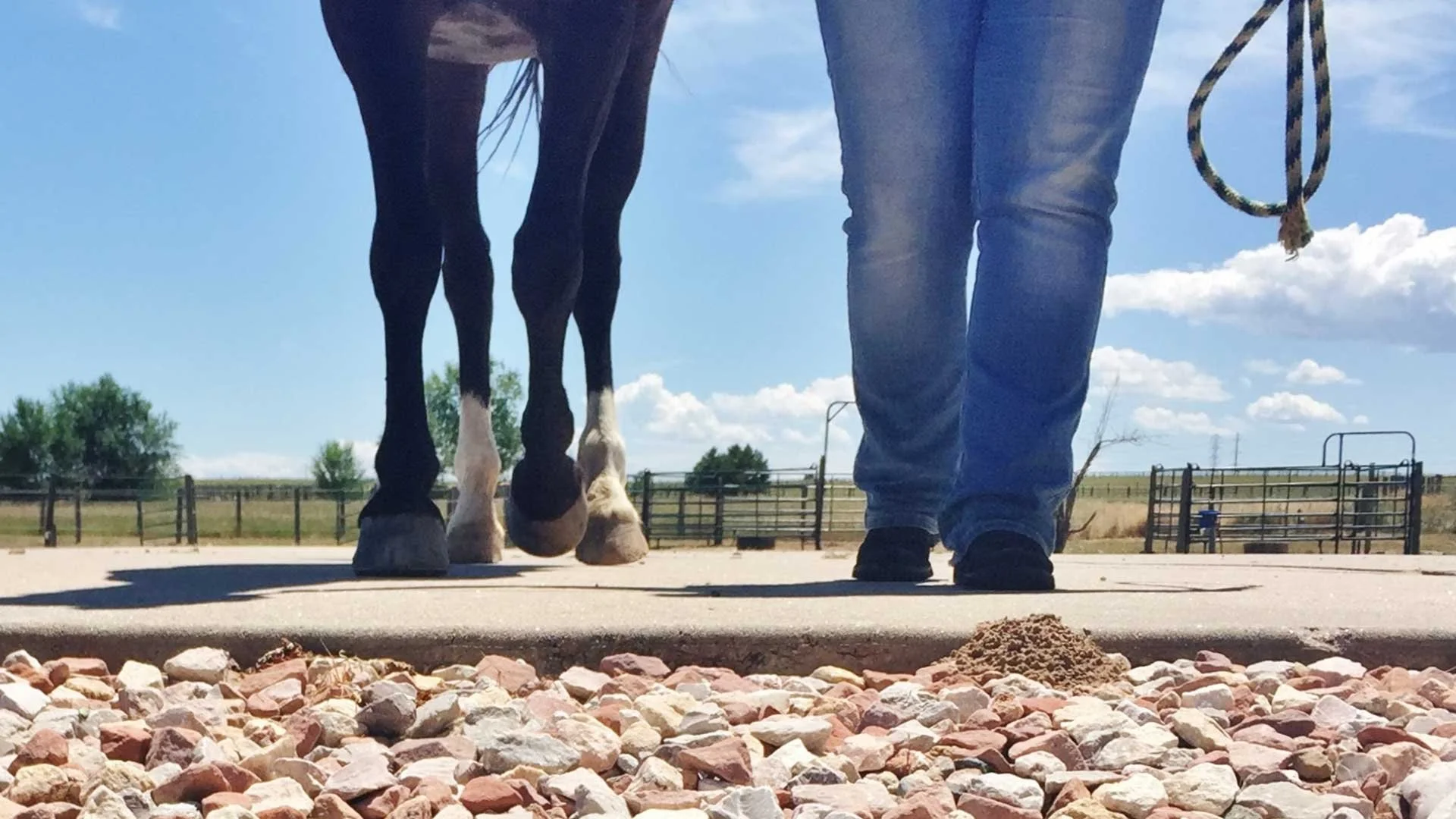
We also assess how your horse’s foot accepts load and moves through the air using a specialized concrete motion-analysis site designed by Dr. Page. Movement at a canter is evaluated in the outdoor arena when appropriate.
Advanced Diagnostics for the Equine Foot
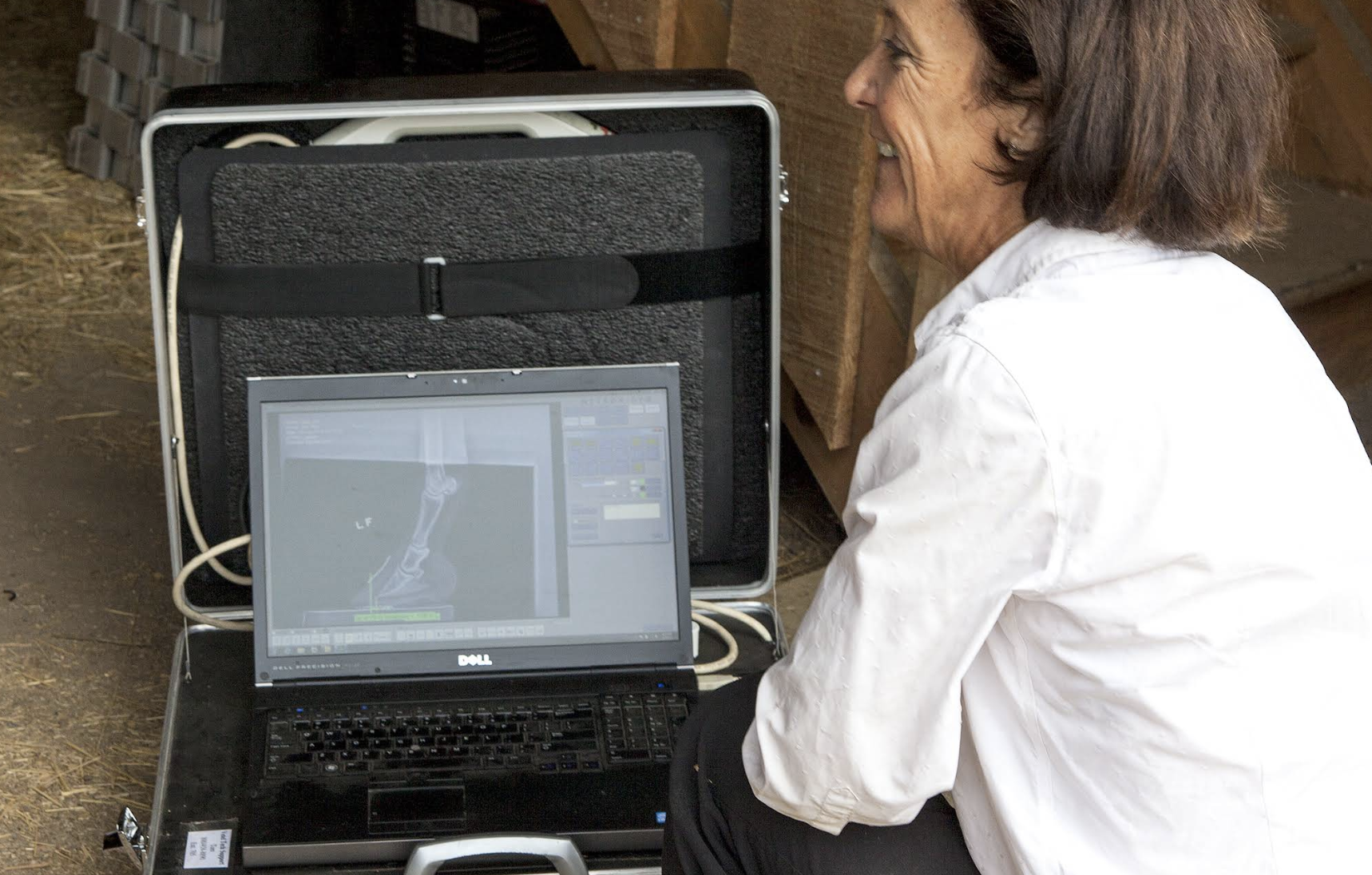
Additional diagnostics may include diagnostic nerve or joint blocks, leverage tests, and digital radiography. Podiatry radiographic software helps provide a more complete understanding of the tissues involved and identify areas of pathology.
Lameness related to hoof issues
Farrier consultations
Digital radiography for hoof evaluation
Therapeutic shoeing recommendations
Navicular syndrome management
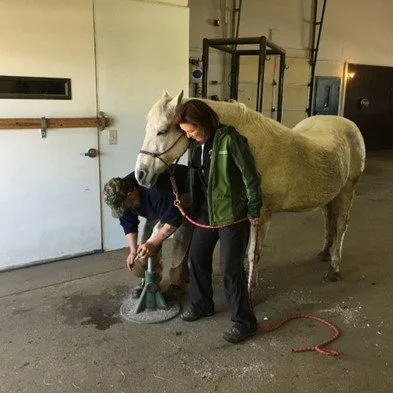
Veterinary and Farrier Collaboration
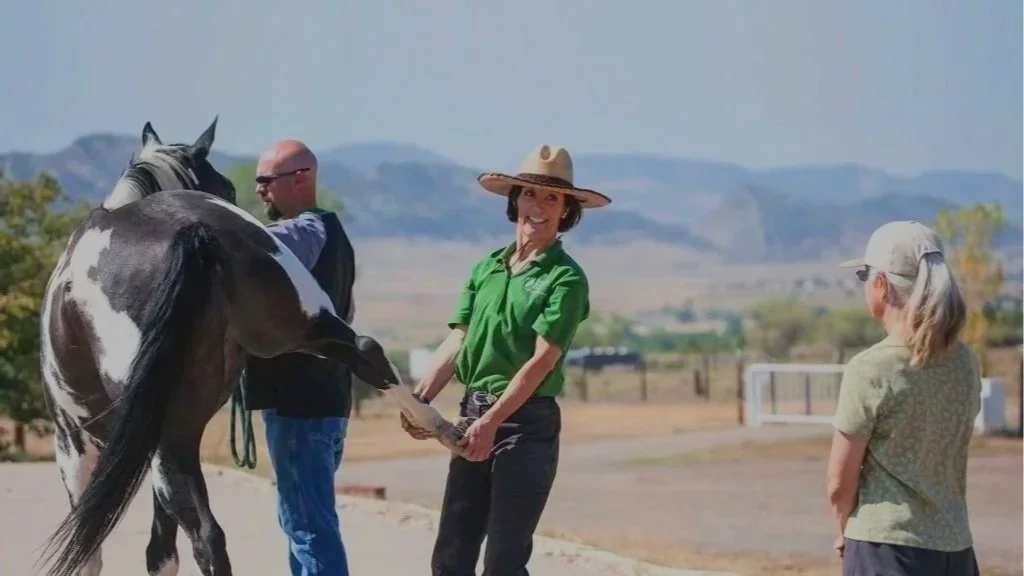
The most successful treatment happens when the owner, farrier, and veterinarian can discuss options together with the horse present at the consultation.
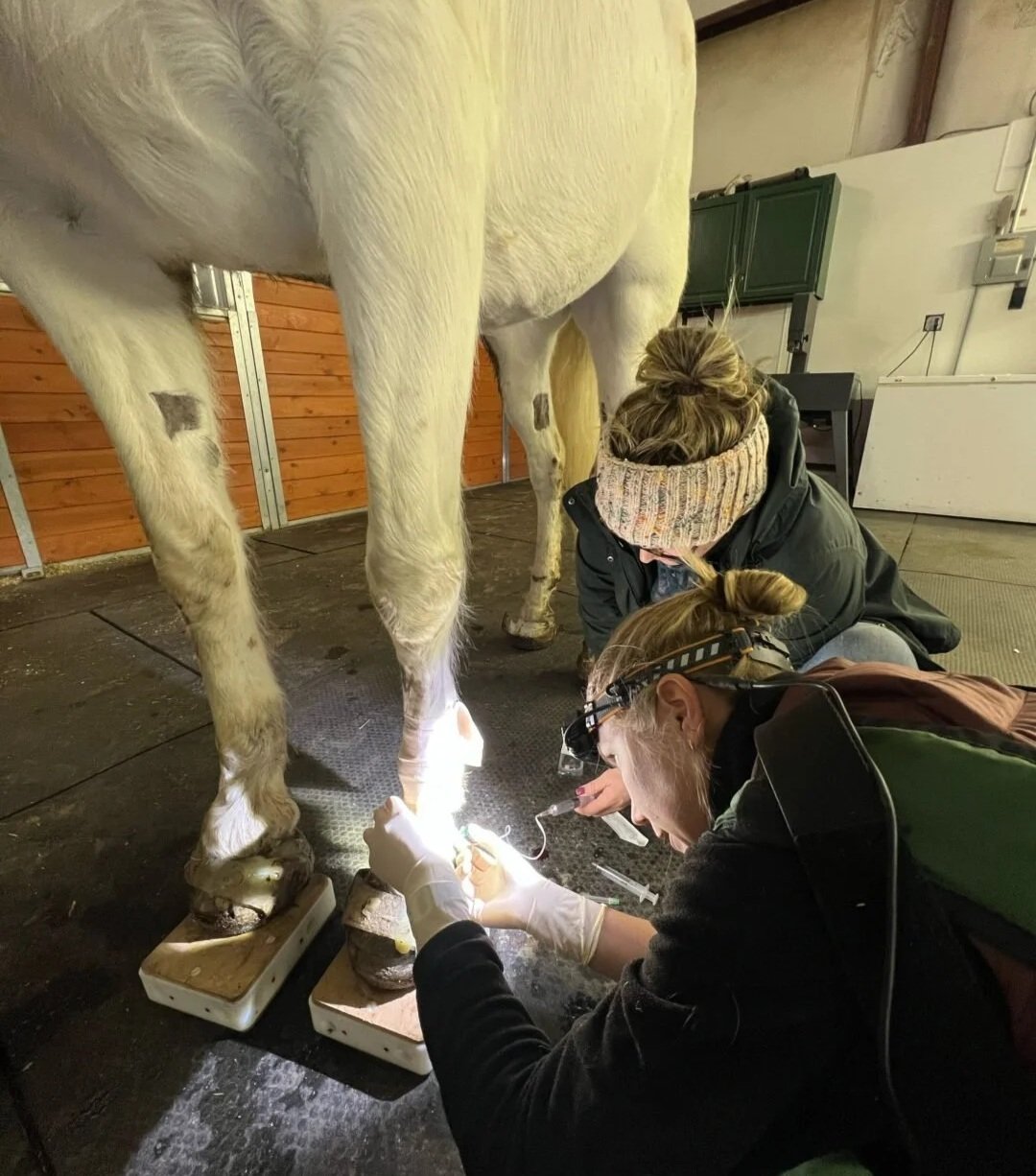
Once a plan is selected, trimming and shoeing take into account the full examination and diagnostic findings. Your horse’s movement and demeanor are evaluated throughout the process, allowing adjustments to be made as needed to support as much normal foot function as possible.
Dr. Page works closely with our farrier, Mike O’Donnell, to make the best shoeing decisions for your horse.
Supporting the Three Functions of the Foot
Much of the success in podiatry comes from ensuring all three functions of the horse’s foot are considered and incorporated into treatment. This begins with the trim, followed by selecting a shoe that contributes to the function needed by the horse and not provided by the pathologic foot.
For additional education and research on the equine foot, visit the International Foundation for Equine Podiatry Research, founded by Dr. Page.