What to Expect
Colorado Equine Clinic
Client Guide
Plan Your Visit
What to
Expect
Expert Equine Care—At Our Clinic or Your Barn
Colorado Equine Clinic provides comprehensive veterinary care at our Littleton clinic and through our mobile field service. Whether you are scheduling routine care, visiting for a specialized evaluation, or facing an emergency, our team will guide you through each step of your horse’s care.
Clinic Hours
Monday–Friday8:00am–5:00pm
Emergency Care
Available 24 hoursa day, seven days a week
Location
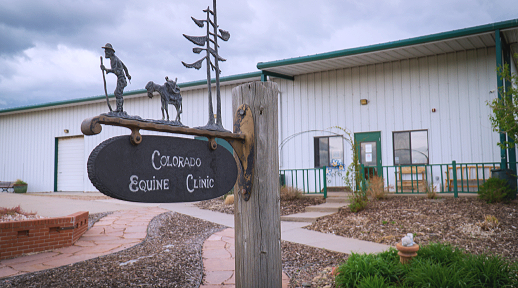
9616 W Titan RoadLittleton, CO 80125
Before Your Visit
Scheduling an Appointment
To schedule an appointment at our clinic or your barn, call (303) 791-4747. New clients may be asked to complete registration before an appointment can be confirmed.
Complete New Client Registration →When You Call
Please be prepared to provide:
- Your name and preferred contact information
- Your horse’s name, age, and breed
- The reason for the appointment
- A brief description of your concerns
- Your preferred appointment location
- Relevant medical history
- Current medications or supplements
- Insurance information, when applicable
Prepare
What to Have Ready
Having your horse’s information ready helps our veterinary team make the most of your appointment.
Medical Information
Vaccination records, current medications, supplements, laboratory results, and previous diagnostic reports.
Insurance Details
Bring your policy information and any applicable claim or representative details.
Questions & Videos
Prepare a list of concerns and videos showing intermittent lameness, unusual movement, or behavior.
Handling Needs
Tell us in advance about behavioral concerns, loading difficulty, or anything that could affect safety.
At Our Clinic
In-Clinic Appointments
Please check in with our front office team before unloading your horse unless you have received different instructions.
A typical appointment may include:
- A conversation about your horse’s history and concerns
- A physical examination
- Observation or movement evaluation
- Recommended diagnostic testing
- A discussion of findings and treatment options
- Follow-up and at-home care instructions
You expect to arrive early or late, your horse’s condition has changed, you need unloading assistance, or you believe the appointment may have become an emergency.
At Your Barn
Field Service Appointments
Our mobile veterinary team provides care at barns and farms throughout the clinic’s service area.
Please prepare:
- Have your horse caught and ready
- Provide a clean, dry, safely enclosed examination area
- Ensure there is adequate lighting
- Provide water and electricity when requested
- Keep dogs and loose animals away
- Have previous medical records available
- Ensure an authorized decision-maker can be reached
We may request access to a suitable flat, firm surface where your horse can be safely observed in motion.
24/7 Emergency Care
Call Immediately
(303) 791-4747Do not use an online form or email for an urgent medical concern. After hours, calls are answered through the clinic’s emergency call service and directed to the on-call veterinarian.
Call for Emergency CareWhen You Call
- Your name and telephone number
- Your horse’s location
- When your horse was last known to be normal
- When the problem was first noticed
- Current symptoms and behavior
- Recent injuries, illnesses, or treatments
- Whether transportation is available
- Whether your horse can stand, walk, or load safely
Do not administer medication unless directed by a veterinarian. Move your horse to a safe, enclosed area when possible, but do not place yourself at risk while handling a frightened, painful, or unstable horse.
When to Call
Common Emergency Concerns
You know your horse best. If you are uncertain whether a situation is an emergency, please call. We would rather discuss a concern early than miss an urgent medical problem.
- 01Colic symptoms
- 02Choke
- 03Eye injuries
- 04Significant wounds or uncontrolled bleeding
- 05Sudden or severe lameness
- 06Inability to bear weight
- 07Suspected fracture
- 08Difficulty breathing
- 09Neurological symptoms
- 10Foaling complications
- 11A horse unable to rise
- 12Sudden illness or change in condition
Additional Information
Care Beyond the Appointment
Expand each section for information about hospitalization, payment, insurance, and discharge.
Hospitalization and Ongoing Care
Some horses may require hospitalization for continued observation, diagnostics, treatment, or critical care.
The veterinary team will discuss:
- Why hospitalization is recommended
- The proposed treatment plan
- Anticipated diagnostics and procedures
- Estimated costs and deposit requirements
- How and when updates will be provided
- Criteria for discharge and follow-up care
Visits should be coordinated with the attending veterinarian or front office before arriving.
Deposits and Payment
Payment requirements vary depending on whether care is provided at your barn, during an outpatient clinic visit, or as part of hospitalization.
The clinic team will explain applicable estimates, deposit requirements, and payment policies before treatment whenever circumstances allow.
Accepted payment methods may include:
- Cash or check
- Debit cards
- Visa, Mastercard, American Express, and Discover
- CareCredit, subject to eligibility and clinic terms
Insurance Claims
If your horse is insured, the owner is responsible for opening the claim directly with the insurance company.
Please provide:
- The insurance company’s name
- The claims representative’s contact information
- The claim or file number
- Any forms requested by the insurer
The clinic can provide medical records and supporting documentation when properly authorized. The owner remains responsible for payment according to clinic policy.
When Your Horse Is Ready to Go Home
Before discharge, the veterinary team will review the next steps and answer questions about your horse’s at-home care.
You may receive:
- A summary of the examination or hospitalization
- Diagnostic findings
- Medication instructions
- Wound or bandage-care instructions
- Feeding or activity restrictions
- Rehabilitation recommendations
- Warning signs to monitor
- Follow-up recommendations
Questions Before Your Appointment?
Our Team Is Here to Help
Contact Colorado Equine Clinic for help preparing for your horse’s visit or understanding the care options available.